
A patio does not fail all at once. It fails one freeze and thaw cycle at a time, and most of what determines whether it holds up was decided before the first paver was ever set.
The base matters more than the surface
Pavers, patio stone, and walkway material all sit on a compacted base underneath, and that base is what actually handles the freezing and thawing. A properly built base drains water away instead of holding it, so there is less water sitting there to freeze and expand in the first place. A patio built on a shallow or poorly compacted base is the one that heaves, shifts, and cracks after a few winters, no matter how good the stone on top is.
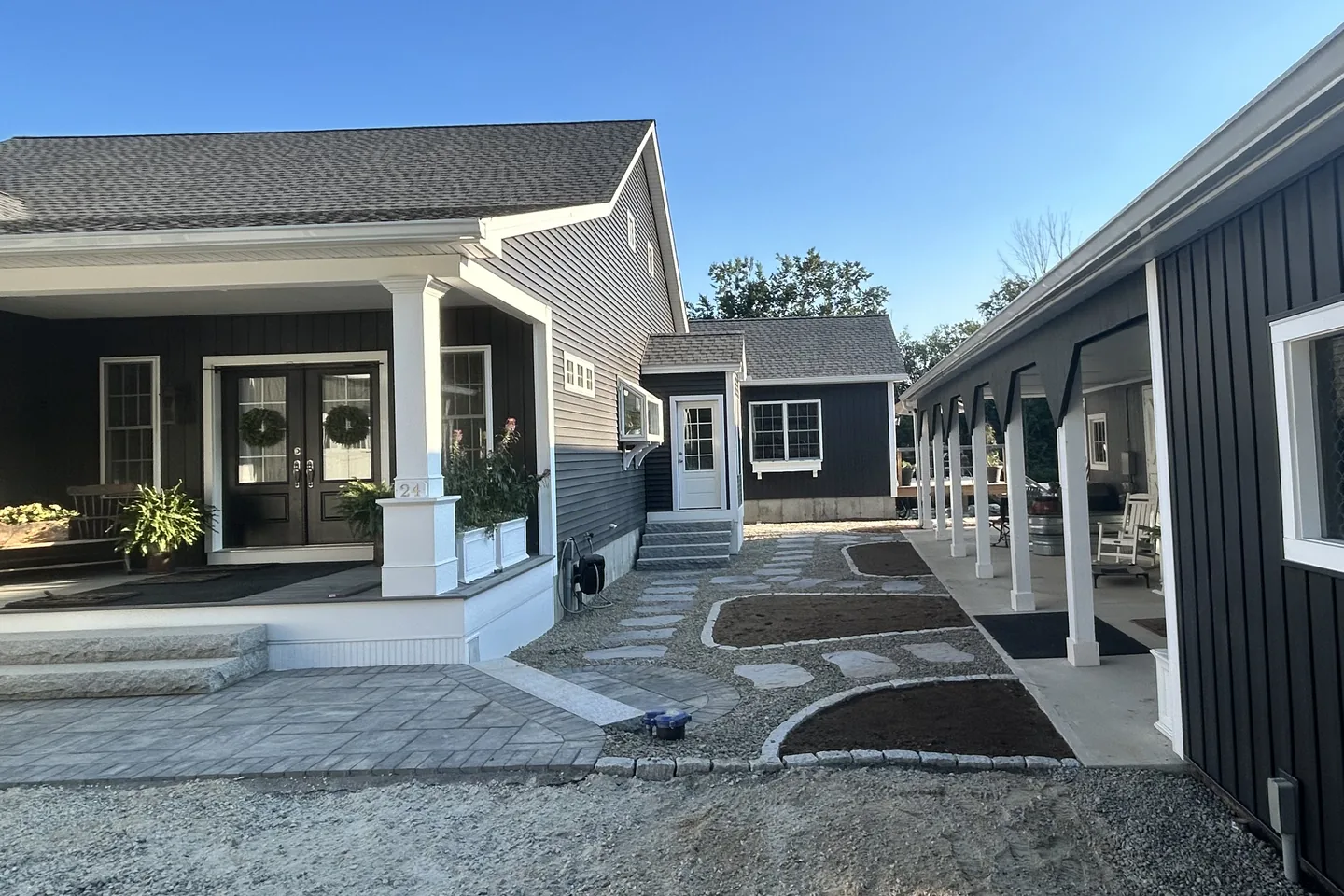
What causes the damage people actually see
Water that gets trapped under or between stones freezes and expands, and that movement is what pushes pavers out of level or opens gaps between them over a winter. Poor drainage around the patio makes this worse, since more water ends up sitting exactly where it should not be. Deicing salt is its own problem separately. Some products damage certain stone and paver surfaces over repeated seasons, so what gets used to melt ice on a patio is worth being careful about, not just whatever is on hand.
What actually helps
Making sure water drains away from the patio rather than pooling on or under it. Sealing stone and paver surfaces where the material calls for it, since sealing helps block water from getting in to freeze in the first place. Keeping shovel and plow blades from scraping the surface when snow gets cleared, and using an ice melt product rated safe for the specific stone or paver material rather than whatever is cheapest. On concrete pavers, plain rock salt is the least damaging choice and magnesium chloride products are the ones to avoid.
How a patio gets built to survive winter
The order of work is the same on every hardscape job Riverview builds. The area is excavated below finished grade, deeper in New England than in a milder climate, because the base has to sit below where frost does its worst work. A gravel base goes in and gets compacted in lifts, not in one dump, so there are no soft pockets to settle later. The surface is pitched so water runs off, a bedding layer is screeded level, and the pavers or stone are set on that. Edge restraint locks the perimeter so the field cannot spread, and joint sand is swept in and compacted so water sheds instead of sitting between the stones.
None of those steps show once the patio is done, which is why two patios that look the same on the day they are finished can look very different after three winters. The site visit is where the base depth and drainage plan for a specific yard get settled, and that visit is the real starting point for a timeline.
Frequently asked questions
Can a patio be fixed once it has already heaved or shifted?
In many cases yes, especially if the base itself is the problem. It usually means resetting the affected pavers on a corrected base rather than replacing the whole patio.
Does every hardscape material need sealing?
It depends on the material. Some stone and paver types benefit from it more than others, which is part of what gets covered during the initial design and installation conversation.
Is fall a good time to address an existing problem before winter?
Yes. Fixing a drainage or base issue before another freeze and thaw cycle is better than waiting for it to get worse over the winter.
Get a patio or walkway ready before winter tests it again. Riverview Contracting builds and repairs hardscaping across the Seacoast, from Rochester and Rye to York and Lebanon. Call or text (207) 651-7693, or request a free estimate. We reply the same business day.